
Planning your first order
Start with quantities and the questions that make two quotations comparable.
SenLin Insights
Explainers, ranked decision guides and buyer checklists built from recurring sourcing questions—then separated from official technical and labeling guidance.
Forum and social posts reveal recurring buyer questions and lived experience. They are labeled as discussions. Regulatory statements link to official sources; neither replaces market-specific legal advice.

From reading to better decisions
A good sourcing conversation connects the garment you want with the evidence you need. Start with your current decision, then use the guides below to prepare a more precise brief.
Keep notes on the material, sample version, quantity and approval criteria. Bring unresolved questions into the quotation instead of leaving them as assumptions.
Put your brief togetherChoose a reading path
Six practical guides, grouped around the decisions buyers make before production.
Start with quantities and the questions that make two quotations comparable.
Turn fabric and branding preferences into decisions a sample can verify.
Check the specification and supplier evidence before committing to bulk.
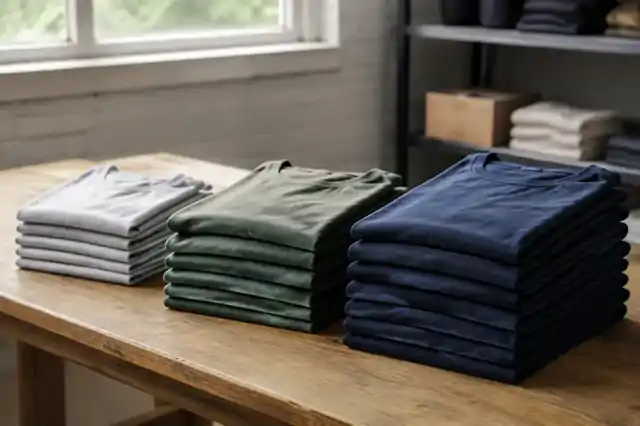
A practical explanation of clothing factory MOQ, the cost drivers behind it, and the questions that prevent a misleading quote.
Read insight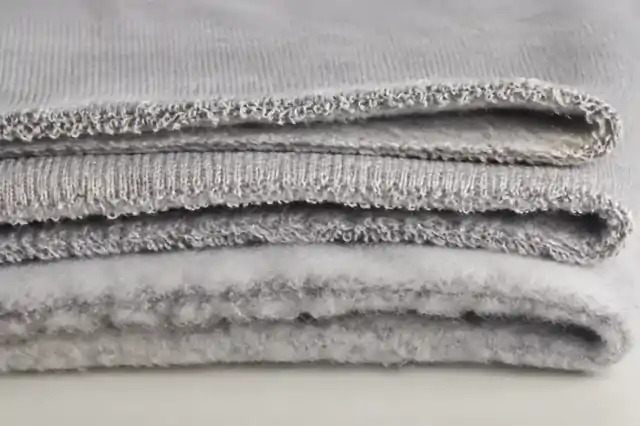
A buyer-focused guide to fabric weight, structure, warmth and the specifications that matter beyond GSM.
Read insight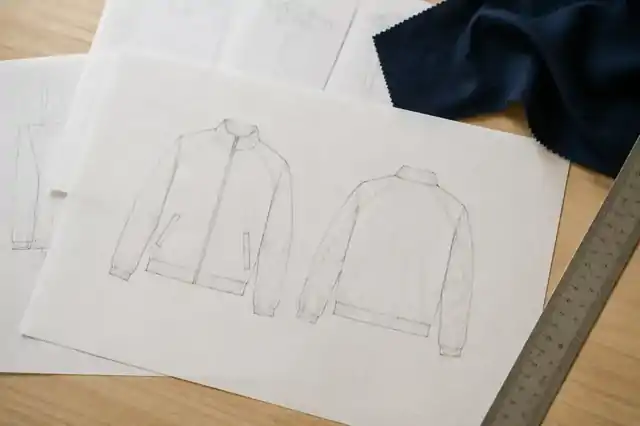
A practical factory-facing checklist for measurements, construction, materials, artwork, tolerances and approvals.
Read insight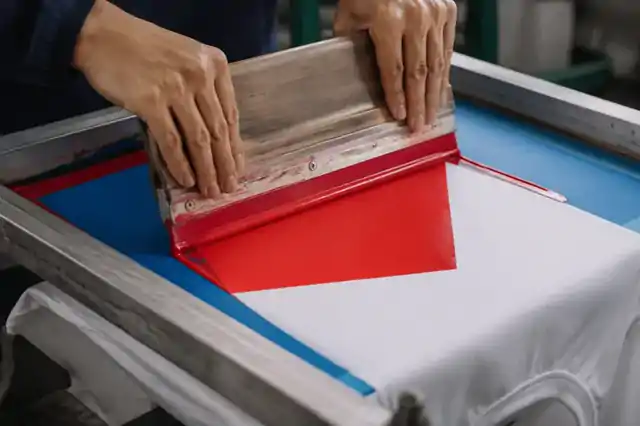
A decision ranking for custom apparel decoration based on run size, artwork, handfeel and repeatability.
Read insight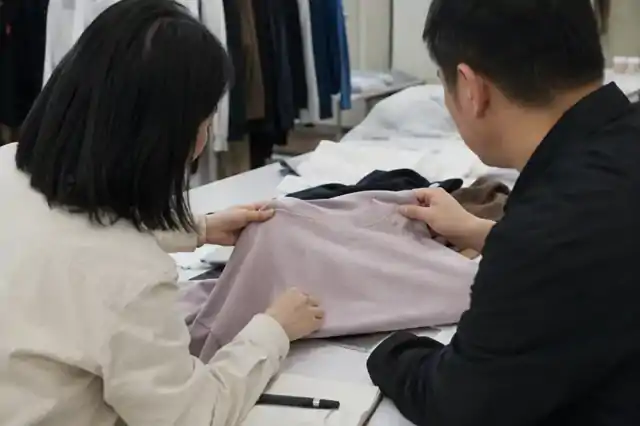
A ranked due-diligence list covering product fit, sample terms, ownership, bulk control, defects and labeling.
Read insight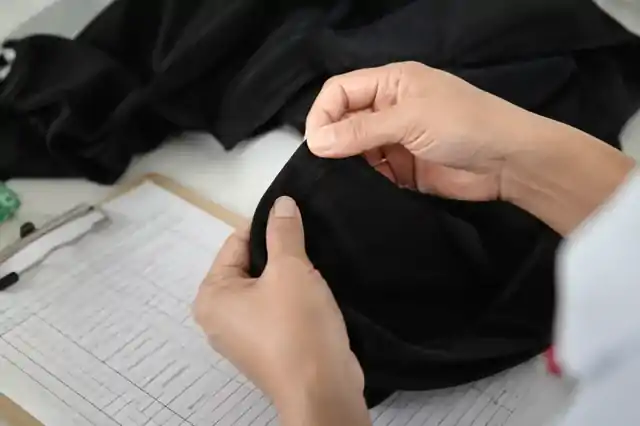
A practical ranking of the evidence that matters—from product fit and live verification to samples, tolerances and remedy terms.
Read insight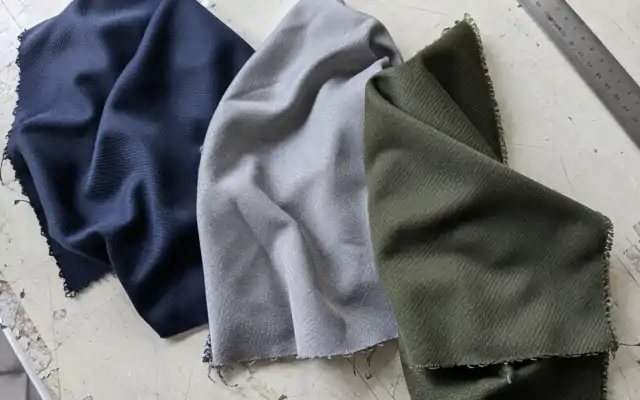
Rank polyester, nylon, elastane blends and mesh by use case, then turn the choice into a factory-ready specification.
Read insight
A practical comparison of polyester and nylon/polyamide for men’s performance tops, shorts and training sets.
Read insight
Understand how stretch-fiber percentage, knit construction and garment fit interact before approving performance apparel.
Read insight
A source-conscious explanation of capillary transport, drying and the buyer tests behind moisture-management claims.
Read insight
Separate marketing language from air flow, vapor transfer, garment ventilation and fit.
Read insight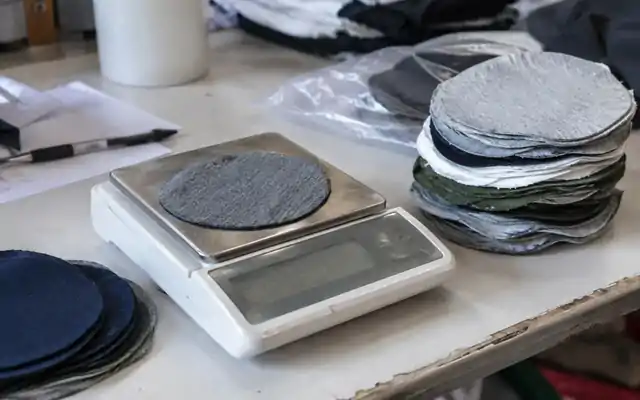
Choose fabric weight for men’s training tees by opacity, drape, heat, durability and decoration.
Read insight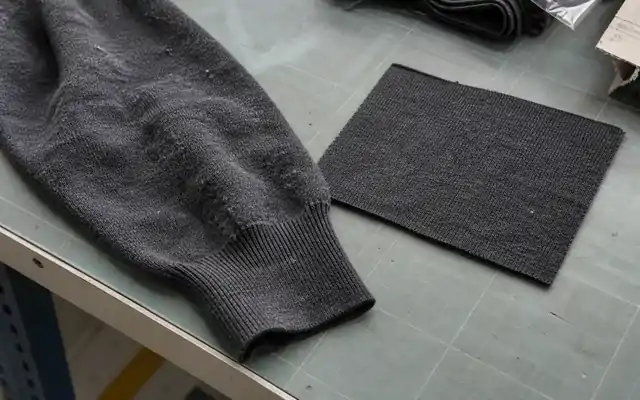
What makes sportswear and fleece pill, which ISO and ASTM tests to name, how 1–5 pilling grades work and what to write in a buyer’s brief.
Read insight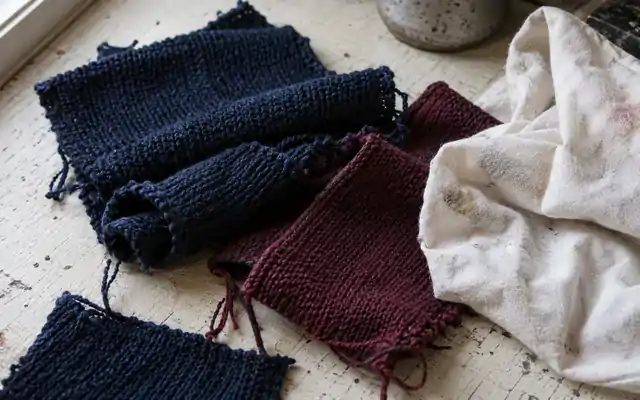
Washing, rubbing, sweat and light: the ISO colour fastness tests activewear needs, how grey-scale grades work, common targets and bulk shade control.
Read insight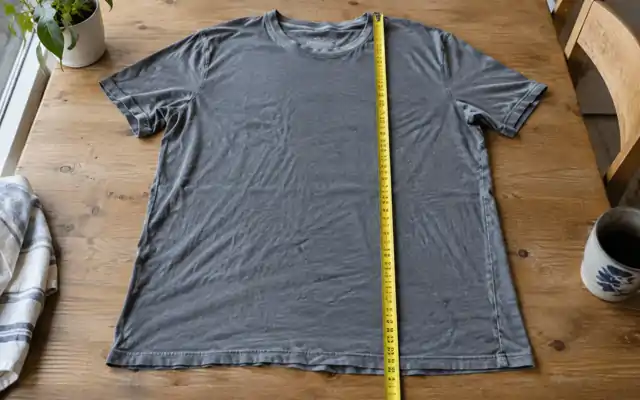
No standard sets one shrinkage limit. How to test sportswear and fleece with ISO 5077 and ISO 6330, and set a limit that fits your size chart.
Read insight
A UPF rating is a lab result for one fabric and colour, not a factory feature. Which standard to use, what to test and what a sun-shirt label needs.
Read insight
What to ask about anti-odour fabric: how the finish works, which ISO or AATCC test fits each claim, wash durability, and EU and US wording rules.
Read insight
How to substantiate recycled polyester: scope and transaction certificates, brand certification, percentage by weight, and US, EU and UK claim rules.
Read insight
How fabric power, negative ease, body curvature, panels and grading set the pressure of compression sportswear, and which claims need evidence.
Read insight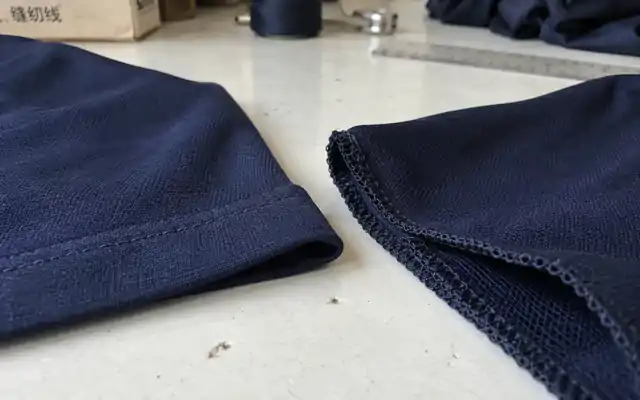
Flatlock, overlock and coverstitch compared by stitch type, comfort, stretch, thread use and appearance, with a seam-by-seam guide for activewear.
Read insight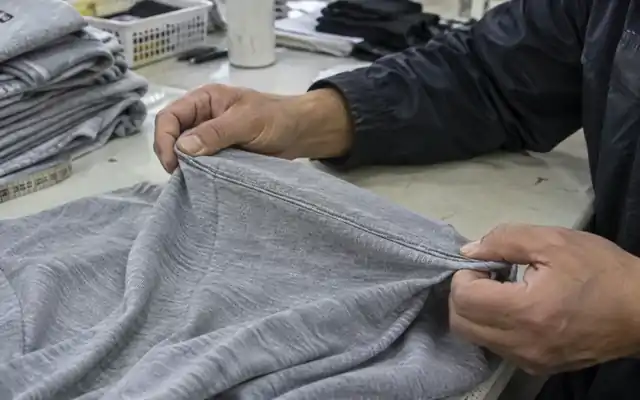
Why activewear seams open, which seam tests suit knitted and woven fabrics, and how to set requirements, approve samples and check bulk production.
Read insight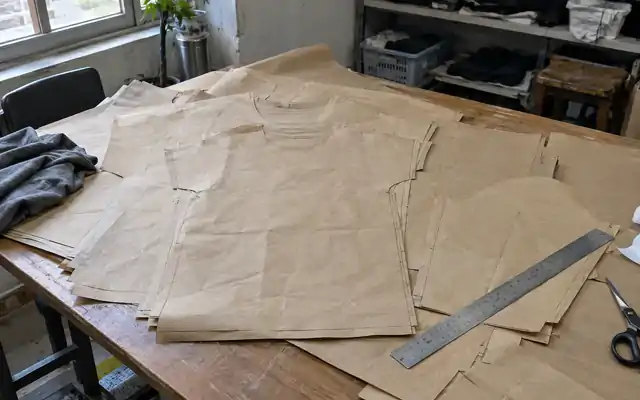
How to grade a men’s activewear range from one base size to S–5XL: body data, grade rules by measurement point, stretch, tolerances and fit checks.
Read insight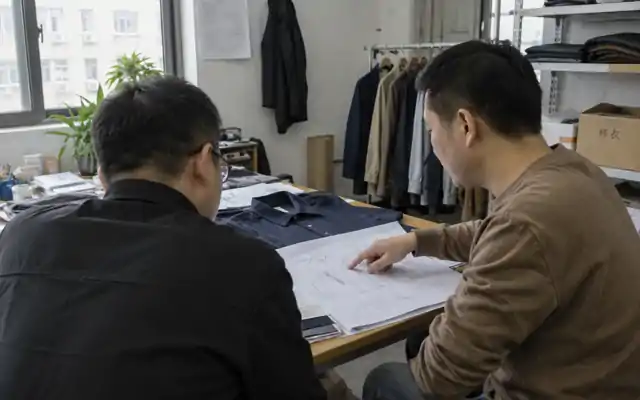
OEM, ODM and private label compared for sportswear: who designs, who owns the pattern, minimums, development time, exclusivity and legal duties.
Read insight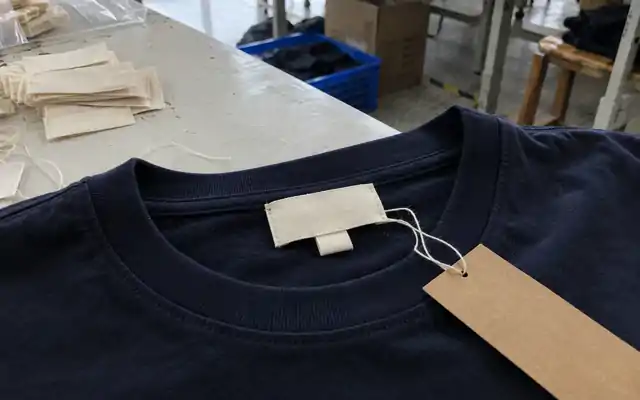
Launch a private-label men’s activewear line in ten ordered decisions, from range and route to brand protection, fit, labels, inspection and reorder.
Read insight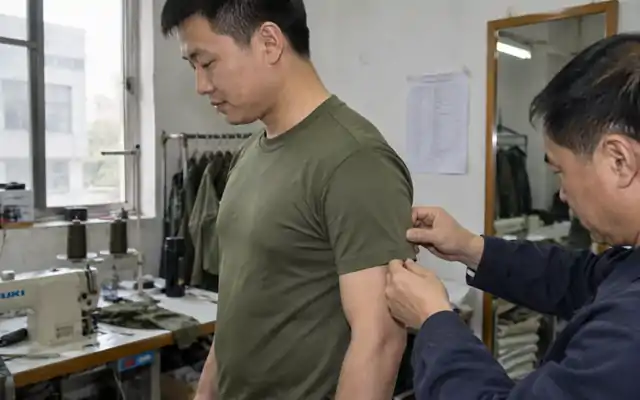
What to check before approving an activewear sample for bulk: fit in motion, bulk fabric and colour, a wash check, artwork, labels, packing and sign-off.
Read insight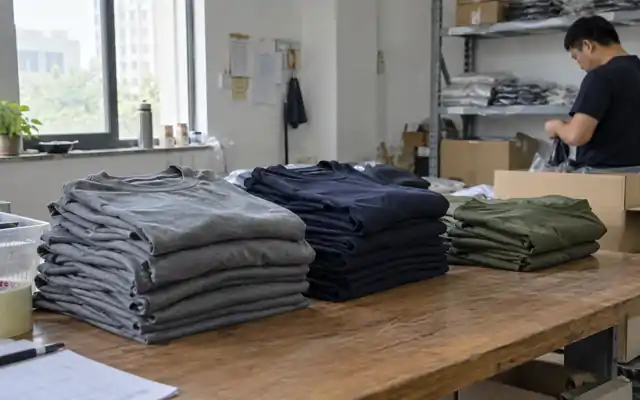
How to split an activewear minimum order across colours and sizes: which minimums really apply, how to build a quotable matrix and what extra colours cost.
Read insight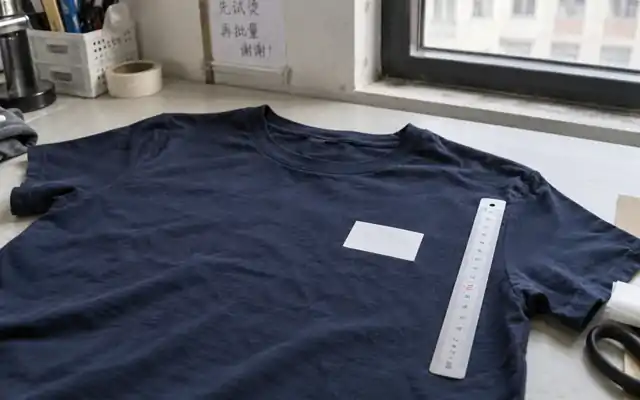
Where a custom logo works on men’s sportswear: chest, back, sleeve and shorts zones, starting widths, stretch and sweat risks, and placement specs.
Read insight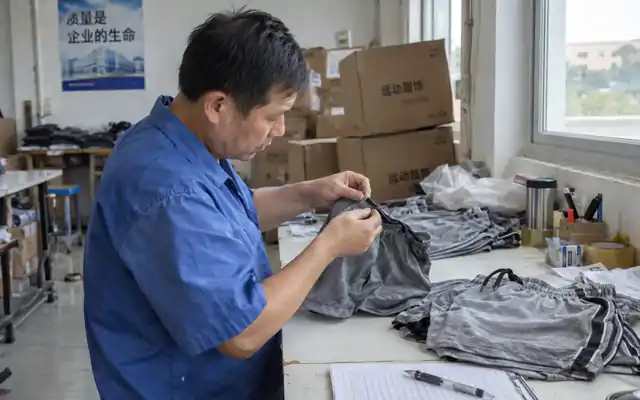
How AQL sampling works in a final random inspection of activewear, what a passed lot can and cannot prove, and what to agree before booking an inspector.
Read insight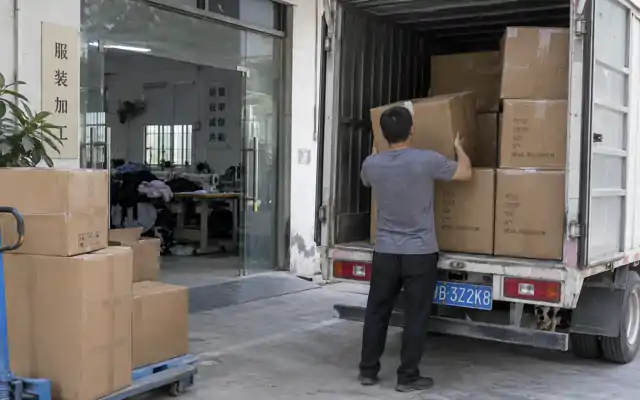
Compare express, air and sea freight for activewear orders by chargeable weight, door-to-door time, customs data and launch risk, with a worked example.
Read insight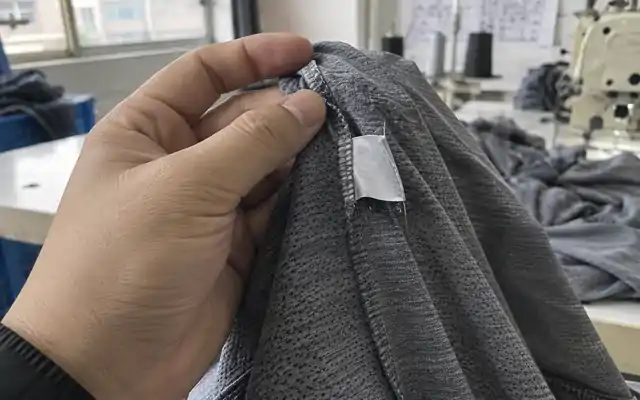
What a private-label sportswear label must say for US and EU sale: fibre names such as elastane, tolerances, origin, business identity, care and placement.
Read insight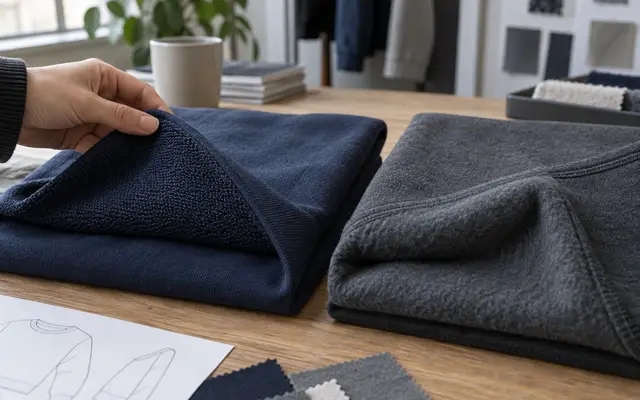
Compare loopback French terry and brushed fleece by warmth, season, handfeel and wash behaviour, then turn the choice into a specification.
Read insight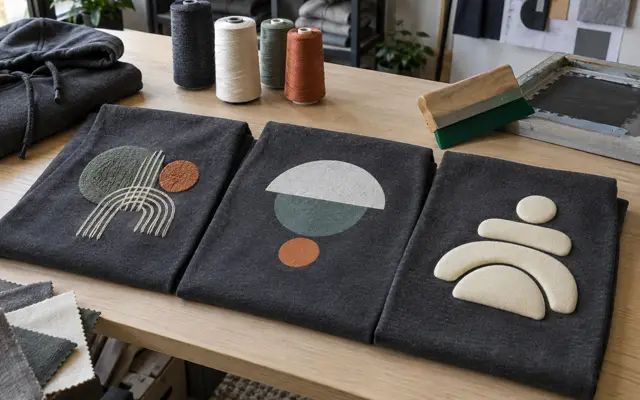
Match the decoration method to logo size, colour count, quantity and fabric, then approve it on a decorated sample before bulk.
Read insight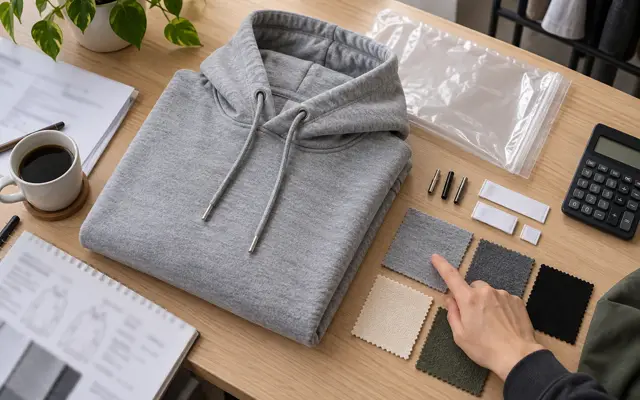
See what sets the unit price of a custom hoodie—fabric, construction, decoration, trims, packaging, quantity and trade term—and how to compare quotations fairly.
Read insight
Compare the Incoterms 2020 rules apparel buyers use most, what each includes, and how duties, HS codes and freight fit into the landed cost.
Read insight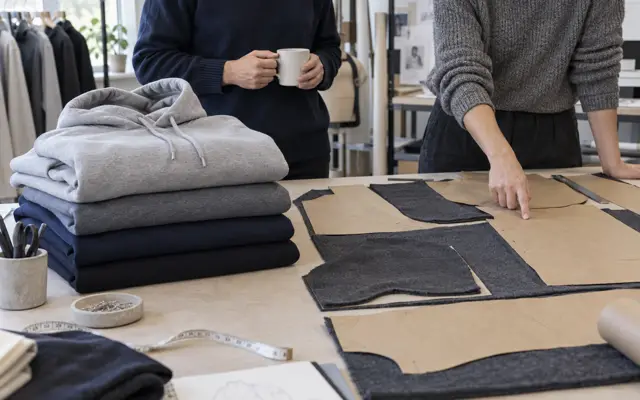
Compare branded ready-stock blanks with fully custom cut-and-sew production by minimum, lead time, cost exposure and brand differentiation.
Read insight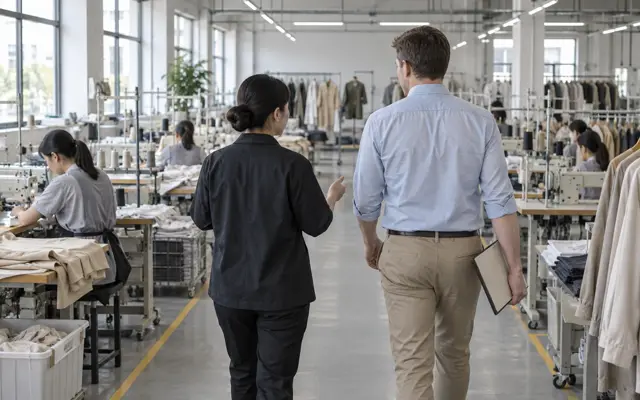
A step-by-step way to confirm a Chinese apparel supplier’s legal identity, premises, product fit and bank details before paying a deposit.
Read insight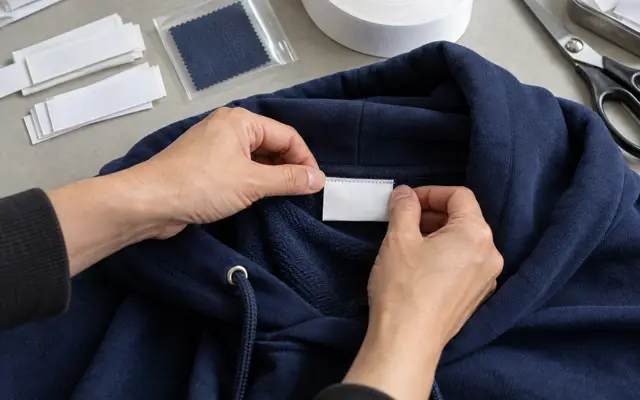
The main compliance checks for importing hoodies and sweatpants into the US and EU—labels, care instructions, 16 CFR 1610 flammability and REACH restrictions—and who is responsible.
Read insight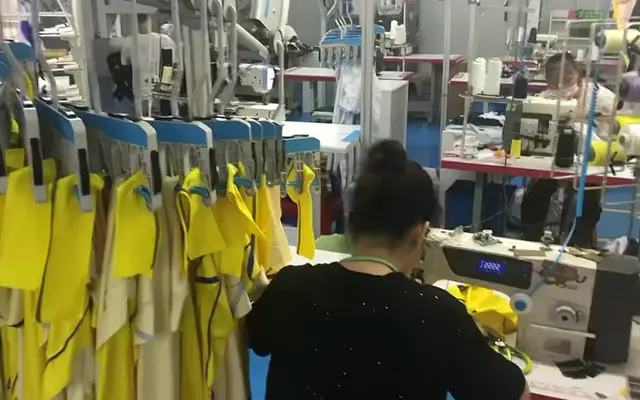
Shenzhou, Crystal and Eclat compared with SenLin: what each makes, where, at what scale and for which orders, from their own filings.
Read insight
Four fleece products ranked for a private-label range: the heavyweight hoodie first, then the hoodie set, sweatpants and the quarter-zip midlayer.
Read insight
Seven activewear products ranked for a private-label range: the performance tee first, then shorts and sets, long sleeves, polos and pants.
Read insight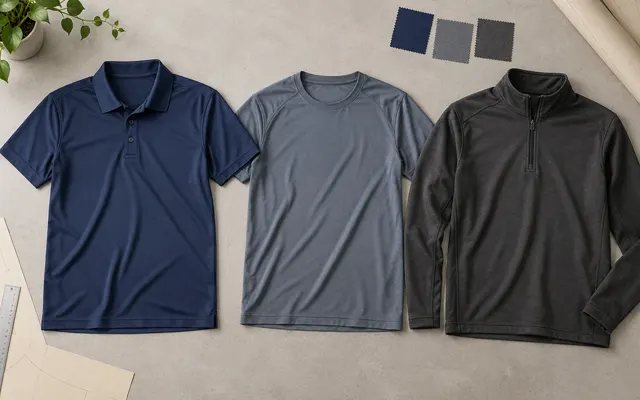
Plan a three-piece teamwear range around real wearer roles, climate, sizing, decoration and care instead of ordering unrelated garments.
Read insight
Prepare a snagging brief for training tops: separate surface defects, check method suitability and tie any result to the tested fabric.
Read insight
Separate renewable feedstock, fibre composition and end-of-life claims before specifying a bio-based fabric for a private-label activewear range.
Read insight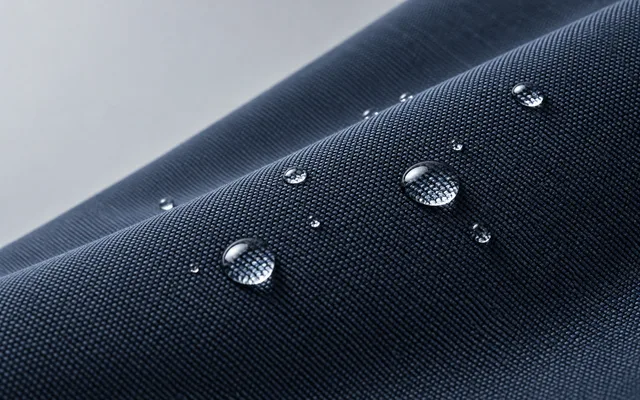
A buyer’s checklist for finish declarations, component traceability and laboratory scope when sourcing water-repellent apparel for the EU.
Read insight