Quick answer
There is no universal best activewear fabric. Polyester blends are a practical all-round starting point for drying and value; nylon or polyamide blends often win when a smoother handfeel and abrasion resistance matter; elastane controls stretch and recovery rather than serving as the main fiber. Rank fabrics against the garment and test the chosen construction.
The question behind this guide
Which fabric is best for men’s performance apparel?
Founder and sourcing discussions repeatedly return to fabric names, GSM, stretch, wicking and whether stock materials can support a first order. These posts are used to identify buyer uncertainty, not to establish a technical rule or market statistic.
Read the community discussionThe ranking orders fibre routes by common men’s gym-wear objectives rather than by fibre prestige. Community posts show which choices buyers struggle with; fabric behaviour is described from general textile practice and should be confirmed on your own swatches.
Key takeaways
- Rank fabrics by end use, not fiber reputation.
- Specify fiber percentage, structure, finished GSM and stretch direction.
- Approve opacity, recovery, handfeel and care behavior on the actual garment.
- Treat moisture, odor and UPF statements as claims that need evidence.
Conditional ranking by buyer objective
This ranking prioritizes common men’s gym-wear briefs rather than declaring one fiber superior. A fabric may rank first for a training tee and poorly for a heavyweight warm-up layer.
| Rank | Buyer objective | Starting direction | Confirm before bulk |
|---|---|---|---|
| 1 | Versatile training tops | Polyester-rich technical knit | Wicking, snagging, odor retention and handfeel |
| 2 | Smooth premium compression | Nylon/polyamide with elastane | Opacity, recovery and abrasion |
| 3 | High-airflow panels | Engineered mesh | Hole stability and seam compatibility |
| 4 | Lifestyle crossover | Cotton blend | Drying time, shrinkage and shape retention |
What buyers often misunderstand about performance fabric selection
“Polyester,” “nylon” and “spandex” are fiber names, not complete specifications. The same blend can be knitted and finished in ways that produce different weight, surface, stretch and drying behavior.
The same polyester can feel cool and dry as an open jersey and warm as a dense interlock. Before comparing two fabrics, check that the knit structure, finished weight and finish are comparable, or the ranking compares constructions rather than fibres.
What to put in the development brief
Name the garment and the activity first, then the fibre route. “A men’s gym tee for indoor training, polyester-rich, under 200 g/m², printed chest logo” gives a mill and a factory far more to work with than “premium quick-dry fabric”.
- Product and activity: tee, polo, shorts, pants or set.
- Generic fiber names and target percentages.
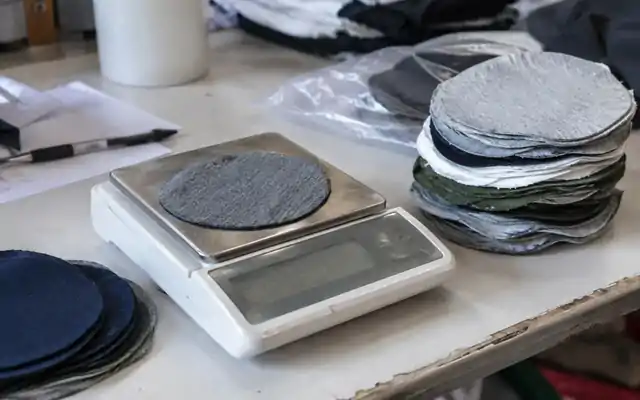
- Finished fabric mass and tolerance.
- Stretch direction, opacity and recovery expectations.
- Surface, color and care requirements.
Sample and evidence plan
Compare swatches before selecting one garment sample. If performance matters, agree the relevant method and acceptance threshold instead of accepting a generic supplier claim.
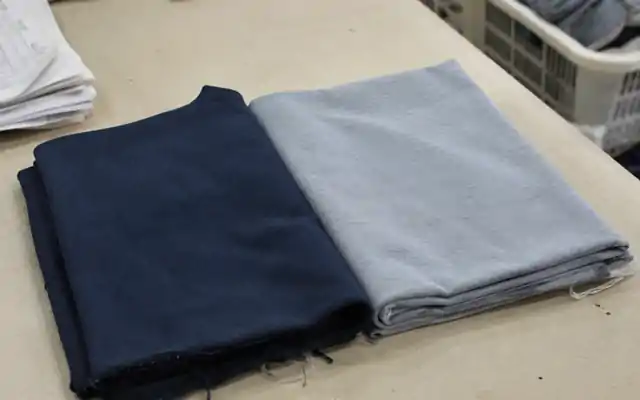
Shortlist two or three swatches per objective and compare them side by side after one agreed wash. Handfeel, surface and shine change with finishing, so judge the washed swatch rather than the mill card.
Factory confirmation checklist
SenLin’s ready-stock performance range is 80–90% polyester or polyamide (nylon) with elastane, at 180 g/m² up to just below 250 g/m², from 100+ pieces on standard styles. A fabric outside that range is quoted as custom development, from 300–500+ pieces.
| Checkpoint | Question to ask | Record to retain |
|---|---|---|
| Identity | What exact generic fibers and percentages are proposed? | Swatch card and composition |
| Performance | Which properties are claimed and how are they checked? | Method and result |
| Bulk control | How will shade and lot changes be managed? | Approved lot or reference |
Decision and risk note
Choose the lowest-complexity material that meets the wearer’s real needs. Add a custom finish or mill program only when the benefit justifies the quantity, lead time and evidence burden.
Label fibres with the generic names your destination allows: “elastane” in the EU, where US labels commonly say “spandex”. Performance words such as quick-dry need a test result behind them before they are printed.
Continue your buyer research
Connect this decision to the relevant product, factory process and frequently asked questions before requesting a quotation.
Frequently asked questions
Is nylon the same as polyamide?
Nylon is a family within polyamide fibers; use the permitted generic fiber name for the destination market.
How much elastane is enough?
There is no universal percentage. Stretch also depends on construction; test the actual fabric and garment.
Can stock fabric be customized?
Stock colors and constructions can support faster starts, while custom dyeing or knitting usually adds minimums and approvals.
Sources and evidence notes
Community sources document recurring buyer questions and experience; they are not treated as universal technical standards. Official guidance is identified separately.
- Community discussionReddit: activewear factory, fabric and lead-time questions
- Community discussionReddit: small-brand manufacturing workflow
- Official US guidanceFTC: textile fiber, origin and business identity labeling
- Official EU guidanceEuropean Commission: textile fiber labeling FAQ
- Standards publisher: public scopeASTM D3776: mass per unit area of fabric