Quick answer
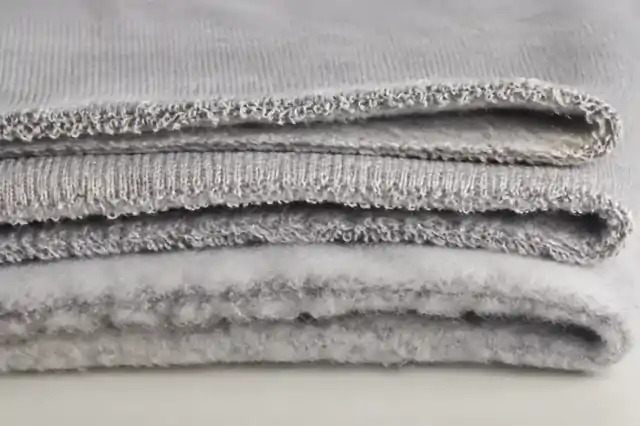
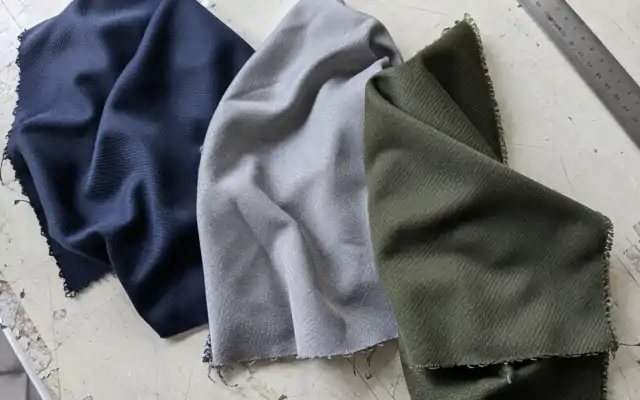
For many men’s performance tees, 180–210 g/m² is a versatile lightweight starting band, while 220–250 g/m² can add coverage and structure. The number is not a quality score. Compare equivalent composition and construction, then approve opacity, drape, drying and decoration on the actual sample.
The question behind this guide
Is 180, 200, 220 or 250 GSM best for a performance tee?
Founder and sourcing discussions repeatedly return to buyers comparing GSM as a quality grade rather than fabric mass per area. These posts are used to identify buyer uncertainty, not to establish a technical rule or market statistic.
Read the community discussionGSM questions from buyers were matched with how fabric mass is measured and how it changes the garment. The weight bands are sampling suggestions inside the confirmed 180 to below 250 g/m² range, not quality grades.
Key takeaways
- GSM measures fabric mass per area.
- More mass can add coverage but also heat and drying time.
- Specify a finished-fabric tolerance.
- Approve garment weight and feel across the size range.
Weight bands by product objective
These are sampling bands, not guaranteed performance categories; fiber, knit and finish can move the outcome.
| Rank | Band | Likely direction | Main check |
|---|---|---|---|
| 1 | 190–210 g/m² | Versatile training tee | Opacity and drying |
| 2 | 210–230 g/m² | More structured premium tee | Heat and drape |
| 3 | 180–190 g/m² | Lightweight warm-weather layer | Transparency and snagging |
| 4 | 230–250 g/m² | Dense crossover tee | Movement and drying |
What buyers often misunderstand about performance-tee GSM
Finished garment weight is not the same as fabric GSM. Pattern area, size, trims and seam construction change the total garment mass.
GSM is measured on the fabric, but buyers feel the garment. Two tees cut from the same 200 g/m² fabric can drape differently because of the cut and the fit, and a print or heat transfer adds weight and stiffness where it sits.
What to put in the development brief
Give a target band and its reason, for example “190–210 g/m², opaque in white, for outdoor team training”, and say whether the figure means finished fabric. Then compare garments, not just swatches, within that band.
- Finished GSM target and tolerance.
- Composition, knit and finish.
- Color-specific opacity.
- Garment size and silhouette.
- Decoration dimensions and process.
Sample and evidence plan
Verify whether the stated GSM applies to finished, conditioned fabric. Compare a cut garment because drape and opacity change when fabric is placed over the body.
Ask how the GSM was measured, on which finished roll and with what tolerance, and check pale colours for opacity on a body, where stretch over the shoulders can reveal more than a flat swatch.
Factory confirmation checklist
SenLin’s ready-stock performance tees sit in the 180 g/m² up to just below 250 g/m² band, from 100+ pieces on standard styles. A weight outside that band means a different fabric, quoted on the custom route from 300–500+ pieces.
| Checkpoint | Question to ask | Record to retain |
|---|---|---|
| Mass | Is the value finished fabric mass per area? | Fabric specification |
| Tolerance | What variation is acceptable? | Signed tolerance |
| Garment | How does it behave on the fit model? | Approved sample |
Decision and risk note
Pick the lightest fabric that still meets coverage, durability and brand handfeel. Extra mass should solve a defined problem.
Fabric weight is rarely a labelling requirement, but fibre content and care instructions are. If you advertise a GSM figure, keep the measured value and tolerance from the bulk fabric, not from the development swatch.
Continue your buyer research
Connect this decision to the relevant product, factory process and frequently asked questions before requesting a quotation.
Frequently asked questions
Is 250 GSM too heavy for gym wear?
It may suit a structured style but can feel warm; sample for the target climate.
Does dark fabric need the same weight as white?
Opacity can vary by color, so confirm each important colorway.
How is GSM measured?
Use an agreed recognized fabric-mass method rather than estimating from garment weight.
Sources and evidence notes
Community sources document recurring buyer questions and experience; they are not treated as universal technical standards. Official guidance is identified separately.
- Community discussionReddit: activewear factory, fabric and lead-time questions
- Community discussionReddit: small-brand manufacturing workflow
- Standards publisher: public scopeASTM D3776: mass per unit area of fabric
- Standards publisher: public scopeISO 6330: domestic washing and drying procedures