Quick answer
Ask for a snagging assessment on the selected fabric, not a promise based on fibre content or a pilling result. Agree the method, specimen identity, preparation and acceptance criteria before testing. Read the result with its limitations and keep wear observations separate from laboratory findings.
The question behind this guide
What should a buyer ask before accepting an anti-snag claim?
This guide addresses a material-approval decision, rather than ranking fabrics or promising a snag-free garment.
Technical references are the public scope and significance notes from ASTM, checked on October 15, 2026. The full paid standards were not accessed. The purchasing checklist is editorial guidance, not a laboratory procedure or evidence that SenLin products passed either method.
Key takeaways
- Do not substitute a pilling result for a snagging assessment.
- Compare reports only after checking their methods and specimens.
- A result belongs to the tested material, not the whole collection.
Describe the problem before requesting a grade
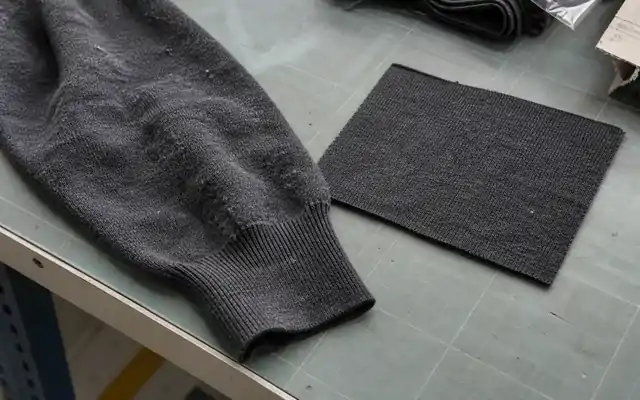
Photograph the affected area and describe what you see: a pulled loop, a long distortion or a local surface change. Record where it occurred and what the garment contacted. Keep this observation separate from the cause; a photograph alone does not establish which material or production step is responsible.
The existing pilling guide addresses a different surface assessment. Do not use a favourable pilling report as the answer to a snagging question. Ask the laboratory which assessment fits the defect and the selected construction.
Check the method, not just the standard number
ASTM D3939/D3939M-26 covers the Mace method. Its public notes warn against using it for commercial-shipment acceptance because between-laboratory precision is poor. Its scope also excludes open constructions such as net fabrics.
ASTM D5362-26 covers the Bean Bag method and permits commercial-shipment acceptance testing within its scope. It also excludes open constructions. This does not make the two methods interchangeable or establish a universal passing grade. Ask the laboratory to confirm suitability before commissioning either test.
Write a brief that the laboratory can resolve
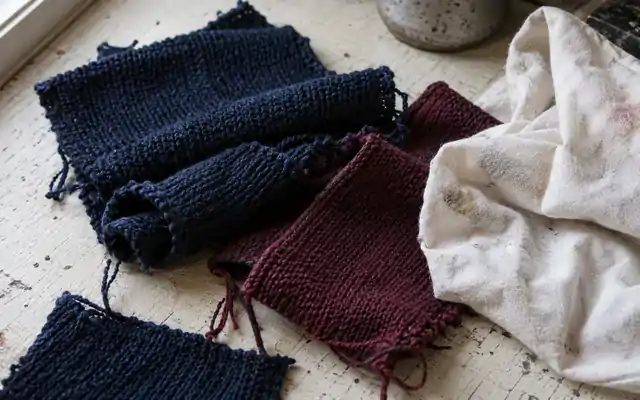
If the proposed fabric is a mesh panel rather than the main body fabric, make that distinction explicit. An assessment of one panel does not automatically describe the complete garment. Do not invent test settings or a target grade while the method is still undecided.
| Brief item | What to record |
|---|---|
| Specimen identity | Identify the style, fabric revision, colour and lot represented by the specimen. |
| Wear conditions | Describe the wearer activity and the surfaces likely to contact the garment. |
| Method suitability | Ask the laboratory to confirm the method edition and any scope exclusions. |
| Approval agreement | Agree specimen preparation, assessment conditions and the acceptance decision in writing. |
| Evidence package | Request the report, specimen identification and supporting appearance records together. |
Check the condition of the tested fabric
Both ASTM summaries note that laundering or drycleaning can affect snagging behaviour. Where relevant, ask the laboratory to plan assessments before and after an agreed care treatment. Record that treatment with the result rather than describing the report simply as a wash test.
For the buying decision, compare like with like. If one candidate is tested before care and another after care, resolve that difference before choosing a supplier. Keep a practical wear review as additional context, not a replacement for the agreed laboratory assessment.
Keep the approval tied to its evidence
Record the approved fabric identity, report reference and unresolved questions in the purchase specification. A change in fabric construction, finish or nominated lot is a reason to review the evidence again, not to copy the earlier result onto every new product.
If reports disagree, send both complete reports to the laboratory and supplier. Ask them to compare specimen identity, preparation, method and assessment conditions before deciding what to repeat. Do not select the more favourable number without resolving why the results differ.
Turn the question into a useful SenLin enquiry
Start with the relevant training top, intended use and a description of the snagging concern. If you already have a specification or report, explain which fabric and revision it covers. Request the full catalogue or style-specific information privately to narrow the selection.
Any required test scope, laboratory arrangements, charges and schedule need project confirmation. This guide supplies no SenLin snagging grade, certification or blanket anti-snag guarantee. A catalogue specification is not a test report.
Continue your buyer research
Connect this decision to the relevant product, factory process and frequently asked questions before requesting a quotation.
Frequently asked questions
Does a pilling pass prove snagging resistance?
No. Treat the snagging concern separately and ask the laboratory to select an appropriate assessment for the chosen fabric.
Can I compare Mace and Bean Bag grades directly?
Do not assume equivalence. Confirm the method, edition, specimen and conditions before comparing results; agree how the result will inform approval.
Does this guide confirm that SenLin fabrics passed a snagging test?
No. Any claim requires evidence for the specific tested material and agreed method. Request project-specific information rather than treating this guide as a product test report.
Sources and evidence notes
- Standards publisher: public scopeASTM D3939/D3939M-26: Mace snagging method
- Standards publisher: public scopeASTM D5362-26: Bean Bag snagging method